
Fabric and leather tablet cases create different daily carry experiences. Compare grip, bag use, visible wear, cleaning needs, climate, and workspace style before choosing a material.
The case around a tablet is handled far more often than most specifications suggest. It moves from desk to bag, rests beside notebooks and laptops, and gradually records the way it is carried.
A fabric vs leather tablet case comparison therefore needs to look beyond appearance. Texture affects grip, bag movement, visible wear, cleaning habits, and whether the case feels natural in a classroom, meeting room, airport, or home office.
Neither material wins every situation. The better choice is the one that suits the normal route, develops an acceptable kind of wear, and does not demand a care routine that will be ignored after the first week.
The practical answer
Choose fabric when tactile grip, a relaxed finish, and the current water-repellent surface claim matter most. Choose genuine leather when a smoother, more structured folio and hand-stitched detailing better fit the setting.Both current options are made for Viwoods AiPaper, but colour, price, availability, and product details should still be checked on the live pages before ordering.
Start with verified differences
Fabric and Genuine Leather: What Changes in Daily Use?
Material names become useful only when they are connected to a real product. The current AiPaper fabric case uses a grey textured surface, while the genuine leather case uses a bronze folio finish. Both store up to two spare stylus tips, so the decision is less about accessory capacity and more about surface behaviour, appearance, and expected wear.
The fabric product page currently describes the case as water-repellent and scratch-resistant. Those claims apply to this named case; they should not be extended to every woven tablet cover. The leather page focuses on genuine leather and carefully stitched edges rather than making the same water-related claim.


Textured everyday carry
AiPaper Fabric Texture Protective Case
A tactile grey case whose current page highlights water-repellent and scratch-resistant surface protection.


Structured folio finish
Viwoods AiPaper Genuine Leather Case
A bronze genuine-leather folio with hand-stitched edge detailing for a more formal desk-to-meeting appearance.
| Current detail | Fabric texture case | Genuine leather case |
|---|---|---|
| Device | Viwoods AiPaper | Viwoods AiPaper |
| Current colour | Grey | Bronze |
| Published focus | Water-repellent, scratch-resistant textured surface | Genuine leather with hand-stitched edge detailing |
| Tip storage | Space for up to two spare tips; tips not included | Space for up to two spare tips; tips not included |
| Best first impression | Tactile, understated, casual-modern | Smooth, structured, portfolio-like |
Product information can change. Use the linked product pages to confirm current price, stock, colour, and compatibility before purchase.
What the material name cannot tell you
Fabric or leather alone does not confirm case weight, magnetic behaviour, stand positions, closure strength, corner retention, or protection from compression. Those qualities come from the complete construction rather than the visible surface.
This distinction prevents a common buying mistake: treating a familiar material as proof of every other feature. Use material to compare hand feel, appearance, and likely surface care; use the current product page to verify the rest.
Once the material direction is clear, compare the current fabric and leather tablet case options by exact device model rather than choosing from the surface name alone.
How it feels on an ordinary day
Grip, Weight and Movement Inside a Bag
Grip matters in short moments repeated throughout the day: lifting the tablet from a desk, carrying it between rooms, removing it from a bag, or holding it while checking a note. Fabric gives the fingertips a clear texture to register, particularly in a dry office or air-conditioned room. That can make a quick pickup feel more secure.
Leather feels smoother and more continuous. It can slide into a close-fitting compartment with less resistance and resembles a document portfolio when carried by hand. The same smooth surface may, however, show a clearer line after rubbing against a zipper pull, charging plug, or spiral binding.
Hand feel can also shift during the day. Fabric tends to keep an obvious tactile pattern in a cool office and during a warmer commute. Leather may feel cool when first lifted from a desk and warmer after longer contact. Product photographs cannot reproduce either sensation, but close-up views can still reveal the weave, grain, shine, stitching, and edge character more accurately than broad labels such as “premium.”
Do not assume that fabric is automatically lighter or leather automatically heavier. Final weight depends on the complete construction: backing, lining, magnets, stitching, retention structure, and stylus storage. If weight is a deciding factor, use a published product specification or ask Viwoods rather than estimating from the surface alone.
The most useful bag test is simple. Check whether the tablet travels in a dedicated compartment and whether the case repeatedly meets keys, adapters, clips, crumbs, or rough lining. Material changes how that contact looks and feels, but neither surface replaces sensible separation from hard objects.
Map one normal route before choosing
- How often does the tablet leave a fixed workspace?
- Does it travel alone or beside a laptop, charger, notebook, and bottle?
- Is the case carried by hand in meetings or mostly kept inside a bag?
- Would visible lint feel more irritating than fine scuffs and creases?
For detailed advice on compartments, screen pressure, and packing order, use the separate guide to protecting an E Ink tablet in a backpack. This comparison stays focused on what the two surface materials change.
After weeks and months of use
Wear Patterns and Realistic Care
Every case eventually records handling. The useful question is not whether wear will appear, but which type of change remains acceptable in the setting where the tablet is used.
Fabric: the weave can visually absorb small tonal changes, yet it may collect lint, dry dust, or crumbs and become smoother at repeated grip points. This is a better match when texture variation feels natural and occasional dry cleaning is realistic.
Genuine leather: a smooth surface can show defined scuffs, creases, edge wear, and tonal development under angled light. Some users value that lived-in character; others prefer a case that keeps a more uniform appearance.
Care should begin conservatively. Remove loose debris with a clean, soft tool and keep the case away from alcohol, harsh household cleaners, aggressive rubbing, and untested conditioners. Do not treat a general leather-care or fabric-cleaning method as automatically suitable for this exact product.
High-contact areas deserve more attention than the entire case. Hand cream, cosmetics, food oils, and repeated contact with damp hands can alter a surface without creating an obvious spill mark. Allow hand sanitiser to dry before handling the case, and avoid spreading a fresh mark across a larger area while trying to remove it.
The fabric page describes protection from accidental spills, splashes, and light rain, but that is not a reason to leave the tablet exposed in prolonged rain or return a damp case directly to a closed bag. For either material, allow the surface and compartment to dry before storage. If a mark needs more than dry cleaning, confirm the method with Viwoods first.
Choose the aging pattern, not an abstract idea of “premium”
Fabric usually changes through lint, smoothing, or variation in the weave. Leather changes through scuffs, creases, and tonal development. The more suitable material is the one whose normal wear still looks appropriate after months of real use.
The surrounding environment matters
Climate, Moisture and Workspace Conditions
A case may move from an air-conditioned office into warm outdoor air several times in one day. That transition changes hand moisture, surface feel, and the conditions inside a closed bag. Fabric can maintain clear tactile feedback during a humid commute, but a textured surface also needs time to dry after repeated moisture exposure.
The current AiPaper fabric listing describes protection from accidental spills, splashes, and light rain. This is useful product-specific information, not permission to treat the case as weatherproof luggage. Prolonged rain, a leaking bottle, or a damp case sealed inside a backpack creates a different level of exposure.
A smooth leather surface may appear easier to wipe, yet the current leather product page does not make the same water-related claim. Moisture can still change colour, shine, or texture. If the normal route includes uncovered walks in rain, the first solution should be a closed, reliable bag rather than choosing a surface by appearance.
Workspace conditions matter as well. Fabric blends naturally with books, paper tools, canvas bags, and relaxed desks, although fibres and fine debris can settle into the weave. Leather creates a more structured visual line beside document folders and formal work bags, but pigments, adhesives, metal clips, and rough desk edges may leave more defined marks.
For either material, avoid unnecessary storage beside heaters, strong direct sunlight, or inside a closed humid bag. A clean desk mat and a stable storage position do more for long-term appearance than repeatedly applying cleaning products.
Use the dominant setting
Which Material Fits Your Routine?
Picture the moment when the tablet leaves the desk. Where it goes—and how you want it to look when it arrives—usually settles the material question faster than another long feature list.
Lean toward fabric
Fabric will probably feel more natural if...
- The tablet is picked up repeatedly during commuting, classes, research, or movement between rooms.
- A clearly textured grip feels more reassuring than a smooth folio surface.
- Grey, understated accessories fit the usual backpack, notebook, and workspace.
- Occasional lint removal feels easier to accept than defined scuffs and creases.
Best fit: tactile everyday carry, relaxed workspaces, study, and mixed home-office routines.
Lean toward leather
Genuine leather will probably feel more natural if...
- The tablet often moves from a work bag to client meetings, interviews, or presentations.
- A smoother case that resembles a document portfolio suits the wider setup.
- Bronze and visible stitched detailing matter more than a casual woven finish.
- Fine creases, scuffs, and tonal development feel acceptable as part of normal use.
Best fit: formal carry, presentation-led work, and users who value a structured folio appearance.
Still split between the two?
Choose by the mark you would mind less after six months: lint and a softened weave, or fine scuffs and leather creasing. Then open both live galleries and compare the surfaces beside the bag and desk you already use.
Prevent the wrong purchase
Confirm Device Fit Before Material Preference
The two products compared here are current AiPaper cases. Similar-looking Viwoods devices—including AiPaper Mini and Reader models—do not automatically use the same case. Screen size alone is not a reliable compatibility check because the outer dimensions, corners, openings, and attachment structure can differ.
Before ordering, read the complete device name, inspect current gallery images, confirm the listed colour and availability, and check whether the stylus position works with the normal carrying setup. Material should settle the choice only after incompatible products have been removed.
For a deeper review of screen coverage, corners, closure, stylus retention, and folded handling, see how to choose a protective case for an E Ink paper tablet.
Continue the decision
Related Reading
Common questions
Frequently Asked Questions
Is fabric or leather better for daily tablet carry?
Fabric is often the better fit when tactile grip, a casual-modern finish, and the current water-repellent surface claim matter most. Genuine leather suits users who prefer a smoother, more structured folio and accept visible creases or scuffs as it ages.
Which case material is easier to maintain?
That depends on the most common mess. Fabric may need more lint and dry-dust removal, while leather may show isolated surface marks more clearly. Start with dry, gentle care and confirm any liquid or product-specific cleaning method with Viwoods.
Does case material determine weight?
No. Surface material is only one part of the complete case. Backing, lining, magnets, stitching, edge retention, and stylus storage also affect weight and bulk. Use published specifications when weight is a deciding factor.
Can either case prevent every scratch inside a bag?
No case removes every transport risk. Use a dedicated compartment, keep keys and adapters separate, remove grit from the lining, and avoid placing a hard object where pressure can be transferred toward the screen.
How should I make the final choice?
Confirm that the product fits the exact AiPaper model, decide which hand feel and aging pattern you prefer, then compare the live colour, price, availability, and gallery on the two product pages.
Make the final choice
Choose the Surface You Can Live With Every Day
A sound fabric vs leather tablet case decision comes from the normal route rather than material status. Choose fabric when tactile handling, the grey woven look, and the current water-repellent surface claim fit the day. Choose genuine leather when the bronze folio, stitched detailing, and a more formal presentation matter more.
Before buying, confirm the exact AiPaper model, compare the kind of wear you are willing to see, and open the corresponding live product page to check current price and availability.
Guides Paper Tablet
How to Turn Meeting Notes into Action Items with AI
E Ink Tablet for Project Handoffs: Review Notes, Open Issues and Next Steps
E Ink Tablet for Field Teams: Offline Notes, Forms and Daily Review
E Ink Tablet for Executive Briefings: Read, Mark, Decide and Follow Up
E Ink Tablet for Compliance Audits: Checklists, Evidence Notes and Follow-Up
How to Carry a Paper Tablet and Stylus Together Without Damaging the Screen
How to Protect an E Ink Tablet in a Backpack
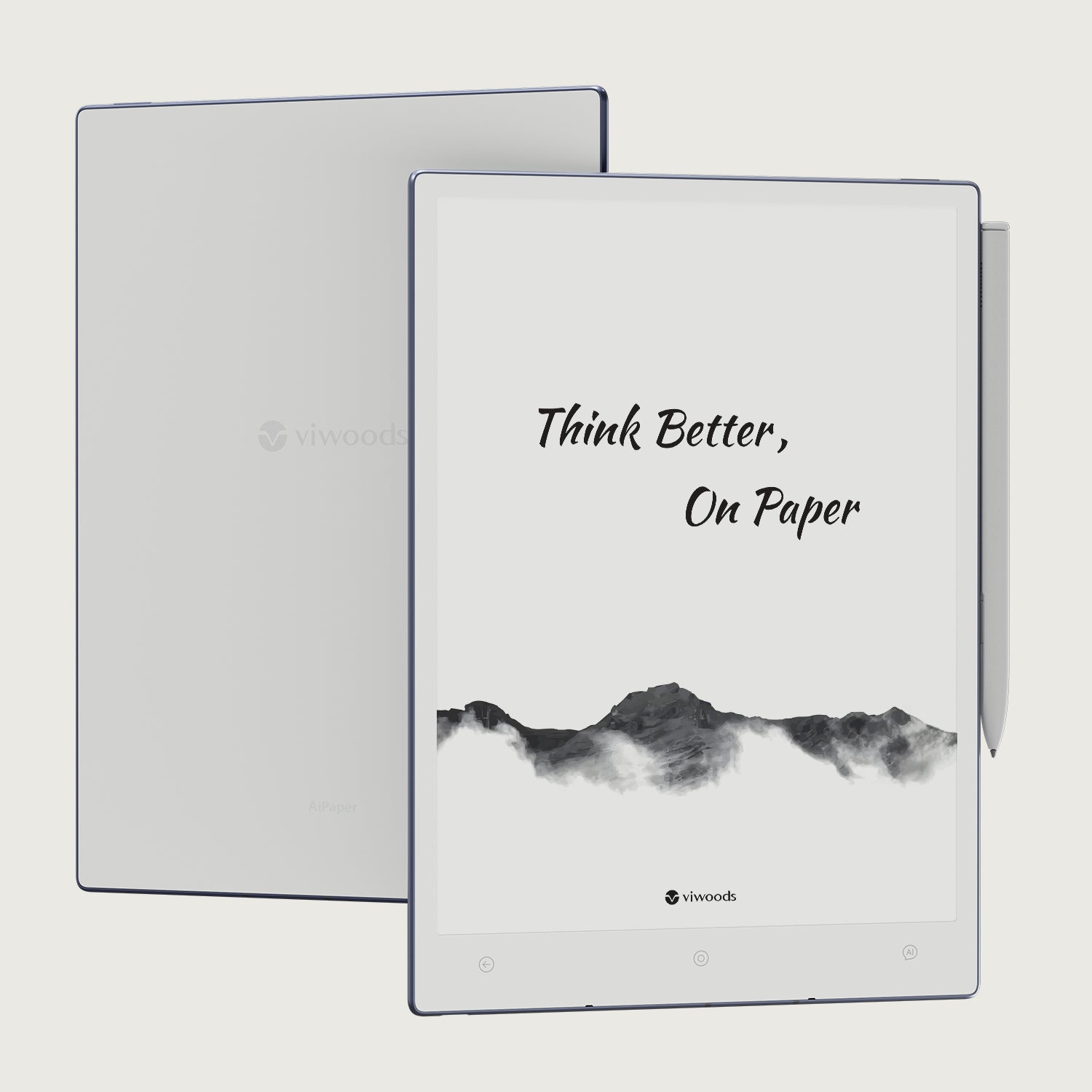
Viwoods AiPaper
$549.00
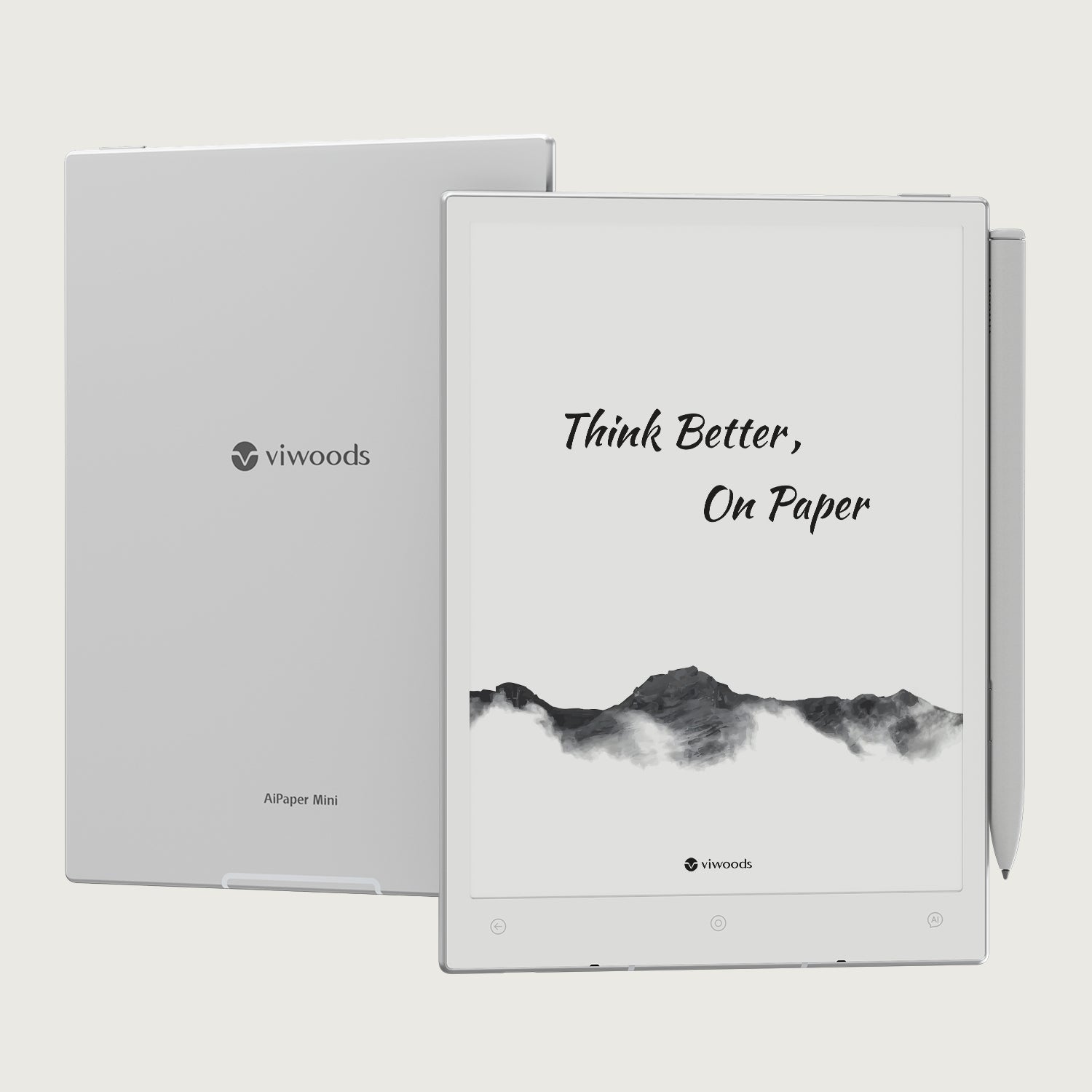
Viwoods AiPaper Mini
$429.00
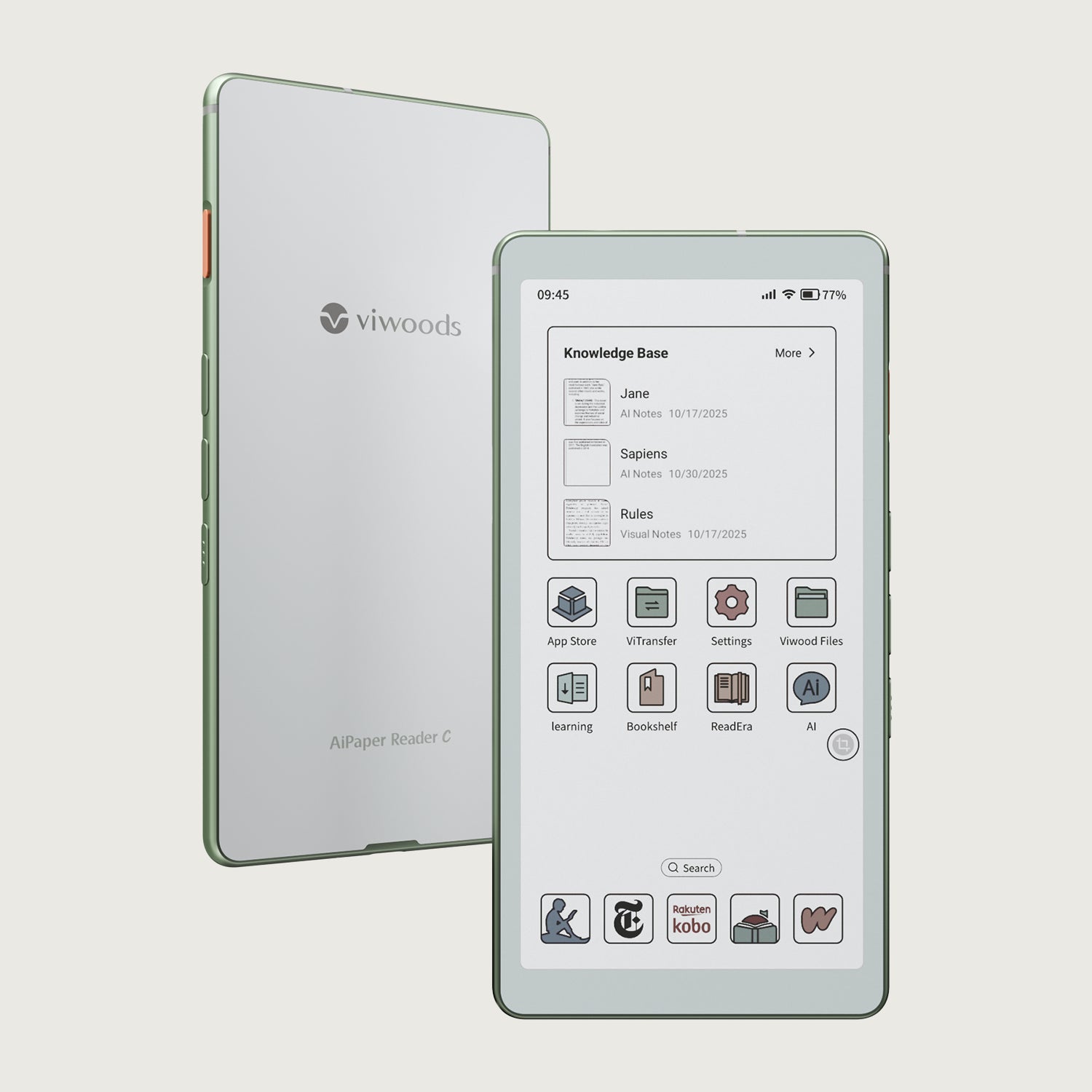
Viwoods AiPaper Reader Colour
$289.00
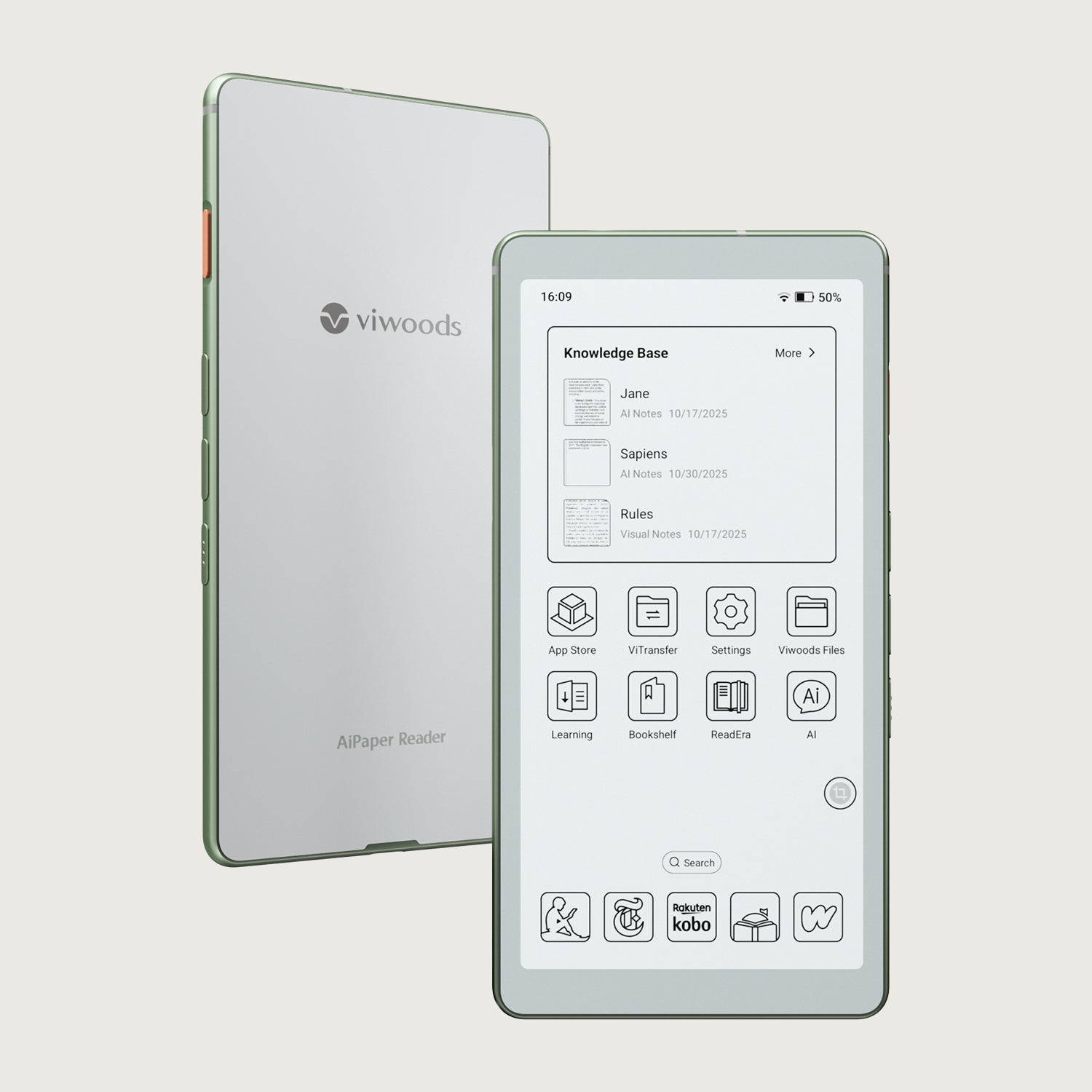
Viwoods AiPaper Reader
$279.00