
Learn how to keep a paper tablet and stylus together during short moves, commutes, and longer trips. Compare magnetic attachment, pen holders, nib protection, screen clearance, and travel-ready retention methods.
A safer carry setup controls the space between the tablet, stylus body, and writing point—not just the outside of the case.
Moving a paper tablet and its pen together seems simple until both objects begin shifting. To carry a paper tablet and a stylus safely, the setup must control movement between the display, pen barrel, and nib. A stylus that looks secure on a desk may rotate, detach, or slide under a cover during a short walk.
The practical goal is not to build the thickest package. Instead, the tablet and pen should behave like one organized unit. The pen needs a repeatable position, the nib needs clear space, and the cover needs to close without pressing a hard object toward the display.
This guide focuses on moving the tablet and stylus as one unit. Full backpack packing, long-term pen storage, and general accessory selection are separate decisions.
The low-risk rule
Restrain the barrel, keep pressure off the nib, keep the screen clear, and use a more enclosed holder as movement increases.
A magnet can position a pen. A loop can restrain it. A closed compartment can prevent escape. The best setup uses only the layers the trip actually needs.
01 · See the whole contact path
Understand Screen, Nib and Loss Risks
A paper tablet and stylus form a working pair, yet they remain two hard objects. Whenever they move independently, contact can occur at the display, frame, case edge, or writing point. Safe carrying begins by identifying which contact the current setup allows.
Three risks often overlap. The pen can rub the display, the nib can receive direct or sideways pressure, and the stylus can detach or remain behind. Solving only one risk may expose another. For example, a pen trapped inside a closed folio may be difficult to lose, but it may press directly against the screen.
- Screen contactThe barrel, clip, button, or trapped debris may move across the display.
- Nib pressureA tight pocket or hard end wall can load the tip from the front or side.
- Pen lossTilting, brushing, and repeated handling can defeat an exposed attachment.
Before moving, picture the stylus shifting in every direction available to it. Could the nib reach the display? Could the barrel slide beneath the cover? Could the pen leave the holder when the tablet turns vertically? This contact-path check exposes weak points without relying on a real accident.
Next, close the case gently. Resistance, a raised corner, or an uneven edge suggests that the pen or another object is trapped. A cover should close in its intended shape. Pressing it flat only transfers more force through the obstruction.
02 · Match restraint to movement
Choose a Stylus Retention Method for the Trip
Retention should match the strongest movement expected, not the calmest moment of the day. A magnetic edge can feel reassuring at a desk. However, the same pen may meet a sleeve opening, coat, chair arm, or another object during a commute.
Current EMR stylus pens can be reviewed before selecting a carry method. The exact tablet pairing, magnetic position, nib design, and included items should still be confirmed on the current product page.

Visible pen retention
Give the stylus one position that can be checked at a glance.
A consistent return point makes an empty holder obvious before departure. For stronger movement, combine that position with a loop, folio, or enclosed compartment.
03 · Protect the writing point
Keep the Nib Away From Direct Screen Pressure
During writing, the nib meets the display at a controlled angle. Transport is different. Pressure may arrive from the front, side, or rear of the pen, while repeated motion can make a partially exposed point tap against a hard surface.
A useful holder stops the barrel before the nib reaches a case wall. It also prevents the pen from sitting diagonally, where loop tension can bend the tip sideways. The writing point needs a small clearance zone rather than padding pressed directly against it.
Check the resting direction
Pen orientation can strengthen or weaken the same holder. If the nib faces a rigid corner, a small shift may push it into that surface. If the tip faces an open end, the stylus may slide out unless the barrel has a stop.
The better position balances both concerns. The barrel remains restrained, while the nib sits inside a protected space without carrying the load. No universal up-or-down rule replaces checking the actual case geometry.
Treat tight pockets with caution
A narrow pocket may look secure while pressing continuously on the tip. Insert the pen slowly and notice what stops it. If the nib reaches the end before the barrel settles, the pocket is too short or the orientation is unsuitable.
Compatible replacement tips should travel in a dedicated slot or closed container. Loose nibs do not belong beside the screen. Product generation and tip compatibility can differ, so current product information should guide replacement decisions.
04 · Keep the closing path clear
Never Trap the Pen Between the Display and Cover
A stylus resting across the display feels convenient during a brief interruption. Once the cover closes, though, the pen becomes a narrow pressure point. It may also roll sideways while the tablet moves.
The pen barrel, clip, button, or decorative ring can create contact even when the nib points away. Added grips can also change the thickness of the package. If the folio no longer closes evenly, remove the pen instead of pressing the cover flat.
A practical habit after writing
- Return the stylus to its assigned holder.
- Look across the display for the pen or visible debris.
- Close the cover gently and confirm that every edge sits normally.
Avoid placing the barrel along a cover fold or improvised hinge gap. Those areas change angle as the folio opens and closes. Only use a hinge-side position when the case clearly provides a fitted holder there.
05 · Build one working unit
Build a Two-Item Carry Setup for Desk-to-Room Movement
Short indoor movement often feels too minor for a routine. Yet this is when a pen gets left under papers, knocked from an edge, or closed against the display. The simplest solution is one permanent return position.
Suitable paper tablet accessories may help create that position. Model fit still matters. A holder designed around one case or pen diameter may not restrain another combination in the same way.

Match hand placement to pen placement
During a short walk, hand support can provide secondary retention. A hand around the edge near an attached pen may block outward movement, provided the grip does not press the stylus inward toward the display.
Avoid stacking a phone, folder, or notebook over the pen. Another hard object can push the stylus sideways or transfer pressure through the folio. A clear tablet-and-pen unit is easier to control than a shifting stack.
Let access frequency guide the method
Frequent note-taking favors a fast return method, such as a stable attachment or accessible loop. Less frequent use allows a more enclosed holder. The method should be easy enough to use every time, since an inconvenient holder encourages loose placement.
On arrival, place the tablet on a stable surface before removing the pen. Then check whether the stylus stayed in its expected position. Unexpected rotation or sliding shows where the setup needs more control.
06 · Add protection as motion grows
Adapt the Setup for Commutes and Longer Travel
A commute adds vibration, crowded spaces, repeated handling, and changing orientation. Longer travel adds more transitions. The useful adjustment is simple: exposed attachment becomes positioning, while enclosure provides retention.
For example, a magnet can align the pen beside the tablet. A fitted sleeve or closed compartment can then prevent escape. The second layer should surround the setup without squeezing the stylus into the display.

A coordinated tablet, folio, and pen position makes departure and arrival checks faster.
Test more than one orientation
A bag may stand upright, lie flat, or lean against a seat. Each position changes the direction in which the stylus can slide. Over a soft surface, rotate the packed setup slowly through the expected orientations and listen for movement.
Aggressive shaking is unnecessary. Gentle rotation can reveal lengthwise sliding, tapping, or weak enclosure. If the pen migrates, improve the holder before regular travel.
Use a dedicated pen zone
A divided tablet compartment can keep both items together while preventing direct contact. The stylus should not share that narrow space with keys, chargers, or metal adapters. Otherwise, the compartment no longer controls the contact path.
This article stays focused on the tablet-and-stylus pair. Full backpack weight, bending, and moisture layout belong to broader bag-protection planning. Here, the key test is whether the pen remains restrained, isolated, and easy to account for.
07 · Verify the complete combination
Check Magnetic Attachment and Model Compatibility
Magnetic attachment gives a stylus a natural resting place beside the tablet. Current VIWOODS product information describes magnetic attachment for relevant stylus models. Even so, writing compatibility, magnetic alignment, and travel security remain separate questions.
An EMR pen may work for handwriting without matching the tablet's magnetic area. A compatible pen may also sit differently after a case is installed. Review the exact tablet, stylus generation, and case combination rather than relying on a similar shape.
Before relying on the attachment, confirm three parts of the setup:
- the exact tablet model and generation;
- the stylus model, barrel shape, and writing-point design; and
- the case or sleeve installed during the actual trip.
Test with the case installed
Attach the stylus in its intended position, close the case, and tilt the setup over a desk. Then insert it into the actual sleeve and remove it slowly. If the sleeve catches the pen, the attachment remains exposed even when the magnet feels strong.
Also check whether another accessory competes for the same edge. A cover seam, stand, or added grip can reduce contact or push the stylus into an improvised gap. A compatible arrangement should settle naturally without compression.
Recheck after any component changes
A new case can change holder tension, while a different stylus can change barrel diameter and magnetic alignment. Repeat the closure, tilt, and orientation checks whenever one component changes. Normal wear also matters if elastic loosens or a fitted channel begins allowing more motion.
08 · Make safety repeatable
Quick Pre-Trip and Arrival Checks
A useful carry routine must stay short enough for daily use. Focus on the signals that reveal most problems: pen presence, nib clearance, normal cover closure, and stable retention.
Before leaving
- Return the pen to its defined position.
- Confirm that the nib touches no hard surface.
- Remove loose objects from the tablet-and-pen zone.
- Close the cover without force.
- Tilt gently and check for sliding.
After arriving
- Set the tablet down before removing the pen.
- Confirm that the stylus stayed in position.
- Inspect the nib for an unusual angle.
- Check whether the holder stretched or shifted.
- Clear visible debris before the next session.
Movement, tapping, uneven closure, and repeated repositioning are early warning signs. Adjusting the arrangement at that stage is more useful than waiting for a missing pen or visible screen mark.
Practical decisions
Frequently Asked Questions
Is magnetic attachment enough for carrying a stylus?
It can suit controlled, short-distance movement when the pen remains visible and supported. A commute adds brushing, vibration, and changing orientation, so a fitted case, loop, or dedicated compartment provides a more reliable second layer.
Can a stylus scratch an E Ink tablet screen?
A compatible stylus is intended for its supported writing surface. Transport creates different contact because the pen may rub sideways, carry debris, or press through a closed cover. Keeping the barrel and nib out of the display area reduces these avoidable conditions.
Where should the stylus sit inside a case?
A dedicated holder or separated channel beside the tablet is preferable. The barrel should remain supported, while the nib stays clear of the display, zipper, hard end wall, and active cover folds.
How should the nib be protected while commuting?
Use a holder that stops the barrel before the nib reaches a hard surface. A confirmed compatible nib cover may add protection, but the pen still needs restraint and clearance. Loose keys and accessories should stay outside the pen channel.
Should the stylus travel in a separate pocket?
A dedicated pocket can reduce screen contact when it remains part of the same carry routine. An unrelated outer pocket can increase loss risk. A divided tablet compartment often keeps both items together while maintaining physical separation.
Build the setup around the trip
Keep the Tablet and Pen Together Without Letting Them Move Against Each Other
The safest way to carry a paper tablet and a stylus is to match retention strength with movement intensity. Short indoor trips may need stable placement and hand support. Commutes usually need enclosed secondary retention, while longer travel benefits from a dedicated pen channel and repeated transition checks.
Before opening a product page, note the exact tablet model, the stylus model and nib type, and the strongest movement the setup will face. If the pen needs a defined return position, compare fitted cases and folios for that tablet. If the writing tool needs replacing, confirm the supported model and magnetic position before choosing a stylus.
Guides Paper Tablet
How to Turn Meeting Notes into Action Items with AI
Paper Tablet for Meetings: Notes to Action Items
E Ink Tablet for Training and Onboarding: Manuals, Notes and Knowledge Capture
E Ink Tablet for Executive Briefings: Read, Mark, Decide and Follow Up
How to Evaluate an E Ink Tablet Demo for a Business Team
E Ink Tablet Total Cost of Ownership for Business Teams
E Ink Tablet for Compliance Audits: Checklists, Evidence Notes and Follow-Up
Fabric vs Leather Tablet Case: Which Material Fits Daily Carry?
How to Store an EMR Stylus Safely: Protect the Nib, Magnet and Tablet
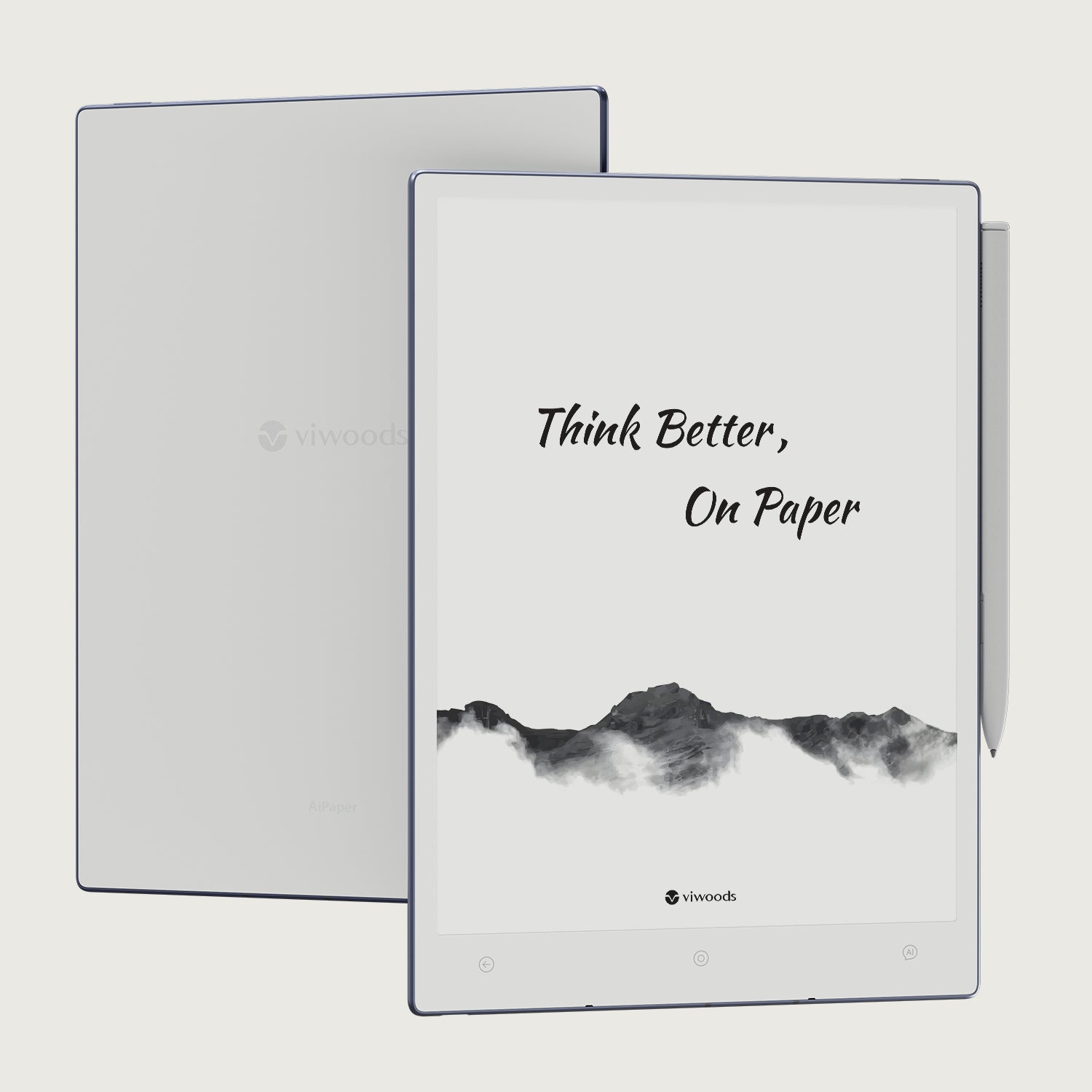
Viwoods AiPaper
$549.00
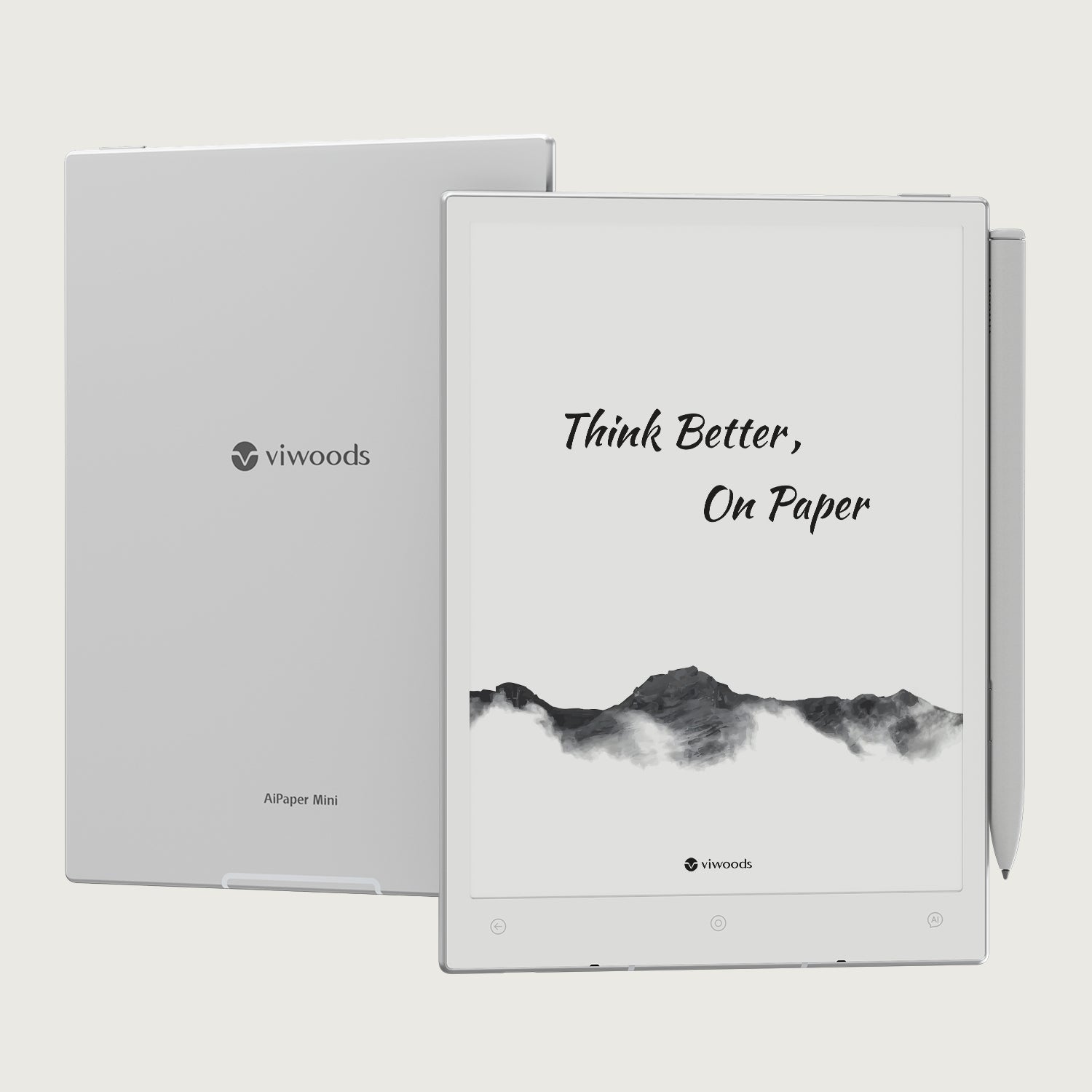
Viwoods AiPaper Mini
$429.00
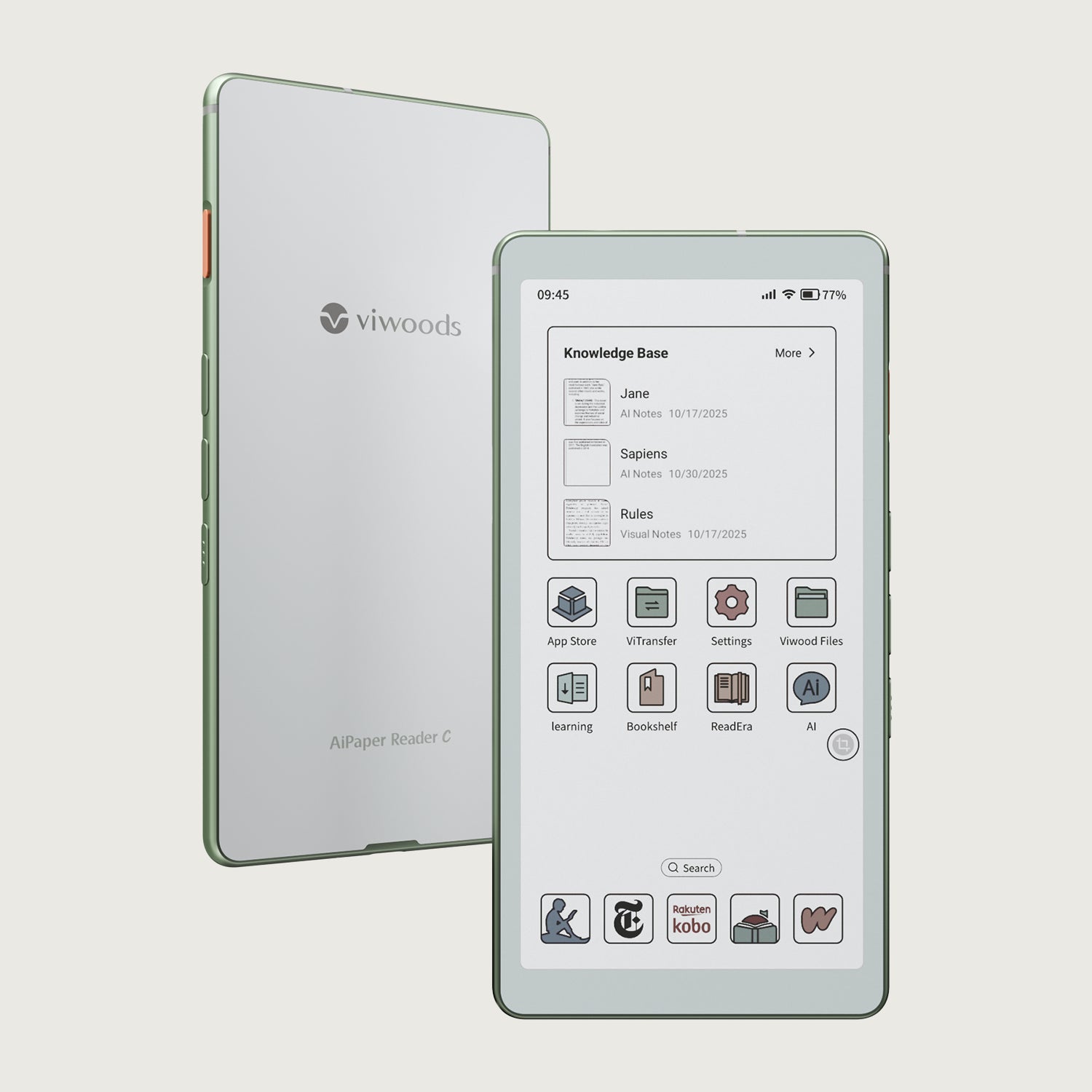
Viwoods AiPaper Reader Colour
$289.00
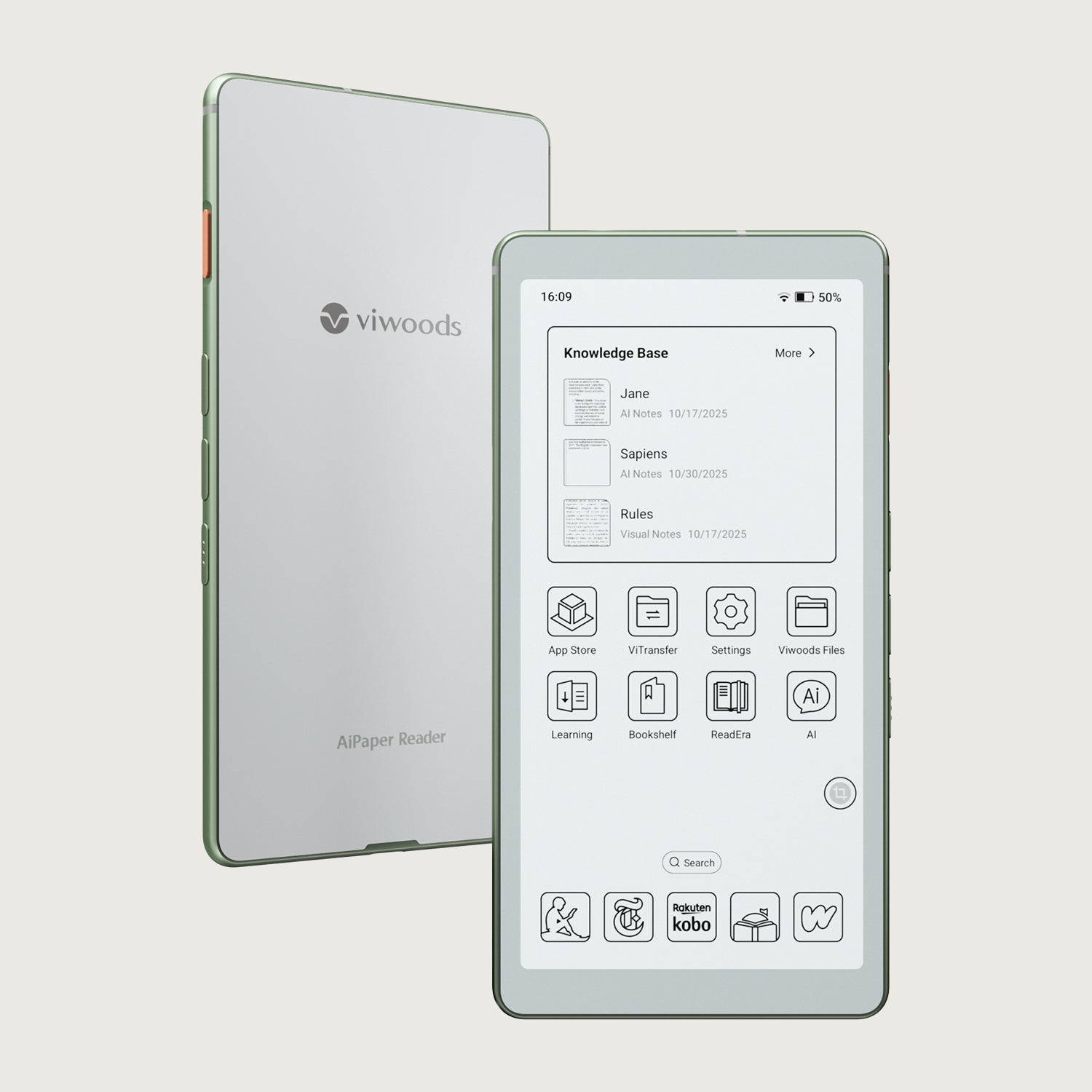
Viwoods AiPaper Reader
$279.00